
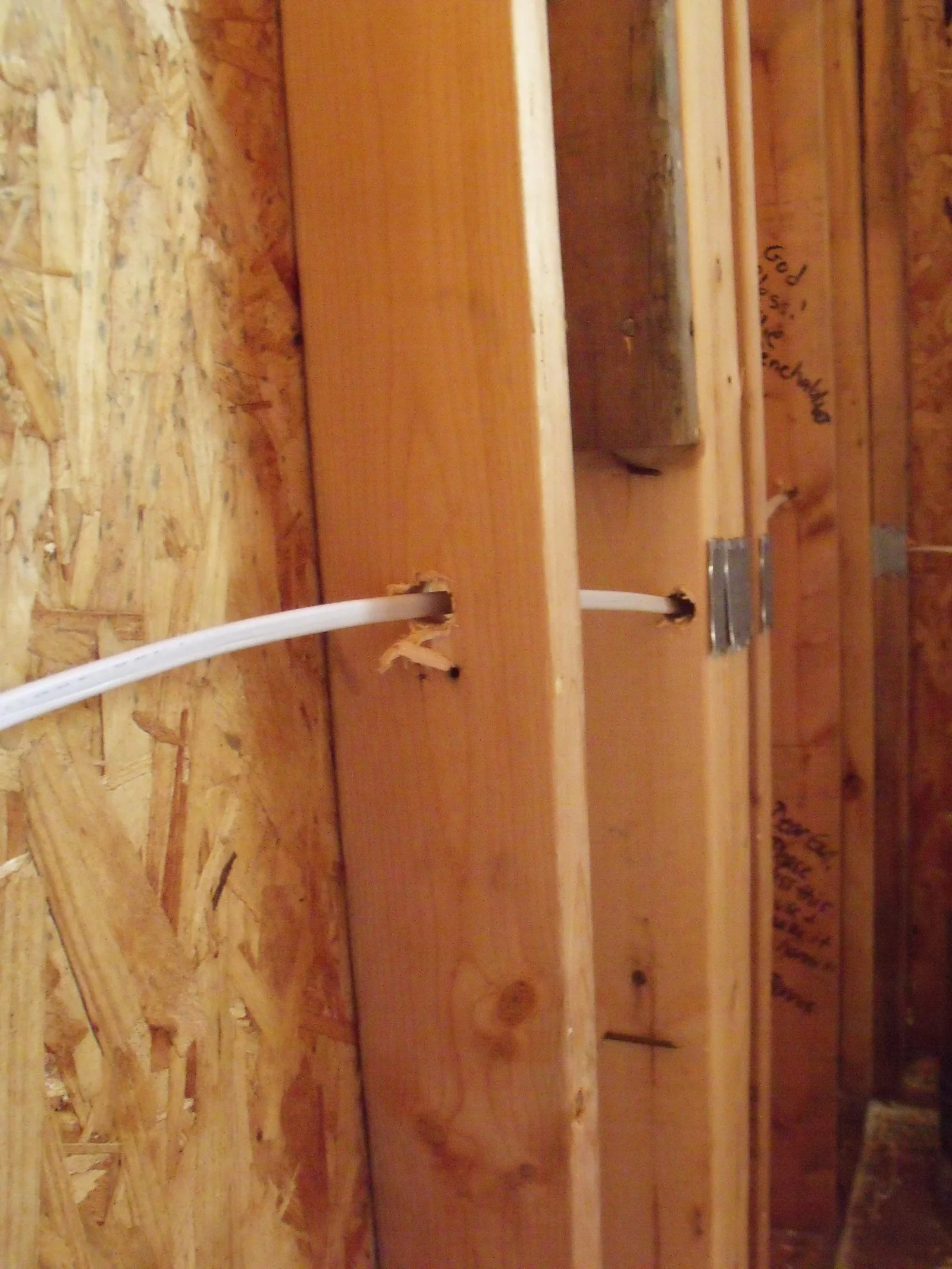
In 2026, typical UK market rates for Rewiring a Victorian or Edwardian House in the UK (2026 Cost Guide & Challenges) range within £4,200 - £5,800 to £9,500 - £14,000+, influenced by geographic location (London +25%, North -10%), property age, and statutory certification under British Standards BS 7671 and Part P / Gas Safe compliance.
- • Expect to pay 20% to 35% more to rewire a Victorian or period home compared to modern block-and-cavity houses due to solid brick chasing and lath-and-plaster care.
- • Properties built before 1970 must be inspected for hidden asbestos flash-pads behind antique rewireable fuse boxes and textured coatings.
- • Retaining original decorative plaster cornices requires floorboard lifting from above rather than aggressive ceiling cutting.
- • Full compliance with BS 7671:2018+A3:2024 requires metal Type A consumer units, SPDs, and dual RCD/RCBO protection.
- • Always secure an official Electrical Installation Certificate (EIC) and Part P Building Regulations compliance notification.
Rewiring a Victorian or Edwardian period property in the UK presents unique structural, safety, and logistical hurdles compared to post-1960s cavity-wall construction. In 2026, the average cost to completely rewire a standard 3-bedroom Victorian terraced house ranges from £4,800 to £7,200. Solid 9-inch brick party walls, fragile lath-and-plaster ceilings, high ceiling cornices, and decorative ceiling roses demand specialized non-destructive cable routing techniques.
📊 2026 Average Price Matrix by Specification
| Property Type / Project Scope | Estimated Cost (2026) | Expected Duration | Circuits / Complexity |
|---|---|---|---|
| 2-Bed Victorian Mid-Terrace | £4,200 - £5,800 | 5 - 7 Days | 6 - 8 Circuits |
| 3-Bed Victorian Bay-Fronted Semi | £5,200 - £7,400 | 7 - 10 Days | 8 - 12 Circuits |
| 4-Bed Victorian Villa / Edwardian Townhouse | £6,800 - £9,800 | 10 - 14 Days | 12 - 16 Circuits |
| 5+ Bed Period Property (3 Storeys) | £9,500 - £14,000+ | 12 - 18 Days | 16 - 22 Circuits |
Why Comparing 3 Vetted Quotes Protects You
Independent survey of 2,800+ UK homeowners revealed why single unvetted quotes cost an average of £340 more.
- ✕ Arbitrary Markups: Tradespeople charging 30%–50% above fair market rates due to lack of competitive pressure.
- ✕ Compliance Risk: Unregistered contractors who cannot self-certify under Part P or Gas Safe regulations.
- ✕ Hidden Extras: Vague verbal estimates that balloon with surprise parking, callout, and material surcharges.
- ✓ Average £340 Saving: Competitive local matching forces contractors to offer their best, transparent rate.
- ✓ 100% Pre-Vetted Pros: NICEIC, NAPIT, Gas Safe and TrustMark registered trade specialists with £2M+ liability cover.
- ✓ Written Itemized Quotes: Fixed itemized breakdowns for labour and materials with zero sales pressure.
Compare 3 Free Verified Quotes in Your Area
Enter your postcode to receive transparent, fixed-price estimates from vetted, insured tradespeople in your postal sector. Zero obligation.
Quote Request Received!
Your reference is TC-92812. Up to 3 certified local contractors covering your postcode will review your requirement.
Why Victorian Properties Cost More to Rewire
Victorian houses (built roughly between 1837 and 1901) and Edwardian properties (1901 to 1910) were originally wired with vulcanised Indian rubber (VIR) cabling or early lead-sheathed conductors encased in wooden conduit capping. Over decades, this insulation perishes, turning brittle and posing severe fire risks.
Unlike modern houses where twin-and-earth cables can be dropped through hollow stud walls, Victorian homes feature solid 9-inch internal load-bearing brick walls and fragile timber joists with deep pugging insulation. Electricians must utilize diamond-tipped dust-extracted wall chasers to carve channels, requiring significantly higher physical labour and specialized plaster patching.
Protecting Period Cornices, Ceiling Roses, and Floorboards
One of the greatest fears for period homeowners is damage to original decorative plasterwork. Master electricians working on period buildings access light fittings strictly from the floorboards above, using precision plunge saws along existing joist lines rather than hammering up through fragile historic lath-and-plaster ceilings.
Where original tongue-and-groove Victorian pine floorboards exist, careful numbering and levering with wide pry bars prevents splintering, allowing flawless restoration once cables are clipped and fire-rated grommets are installed.
Part P Statutory Compliance & Listed Building Considerations
All domestic rewiring in England and Wales falls under Part P of the Building Regulations. If your Victorian home is Grade II or Grade II* listed, you must secure Listed Building Consent (LBC) from your local planning authority prior to chasing walls or altering visible historic fabric.
Upon completion, your registered electrician (NICEIC, NAPIT, or ELECSA) must test all dead and live circuit values (earth loop impedance, insulation resistance, and RCD trip times in milliseconds) and register the completed work with local authority building control within 30 days.
Compare Quotes from Vetted Local Tradespeople
Don't risk rogue pricing. Receive up to 3 competitive quotes from certified, insured contractors in your UK postal sector. Free, instant, and with zero obligation.
🏛️ Statutory Regulations & Authoritative UK Sources
The statutory figures and safety standards cited in this guide adhere strictly to the following British legislative frameworks:
- ↗ GOV.UK: Electrical Safety Standards in the Private Rented Sector
- ↗ Joint Industry Board (JIB): 2026 National Operative Wage Agreement
- ↗ NICEIC: Competent Person Scheme & Certification Standards
- ↗ Gas Safe Register: Building Regulations 30-Day Notification
- ↗ Health & Safety Executive (HSE): Work at Height Regulations 2005
- ↗ Ofgem: Boiler Upgrade Scheme (£7,500 Heat Pump Grant)
❓ Frequently Asked Questions (FAQ)
Can I leave original Victorian light switches or brass plates in place?
Yes, provided the front plates and decorative fittings comply with modern BS 7671 earthing standards. All metal switch plates must be bonded with a separate Circuit Protective Conductor (CPC) back to the metal back box and main earthing terminal.
How long does it take to rewire a 3-bedroom Victorian terraced house?
If the property is unoccupied, rewiring typically takes 7 to 9 working days. If you remain living in the house, it can take 10 to 12 working days due to daily temporary power reconnection and dust management.
Does rewiring a Victorian house include plaster making good?
Standard electrical contracts include rough bonding plaster or bonding coat filling over chased channels. Fine multi-finish skim plastering and decorative repainting are almost always arranged separately with a decorator.