
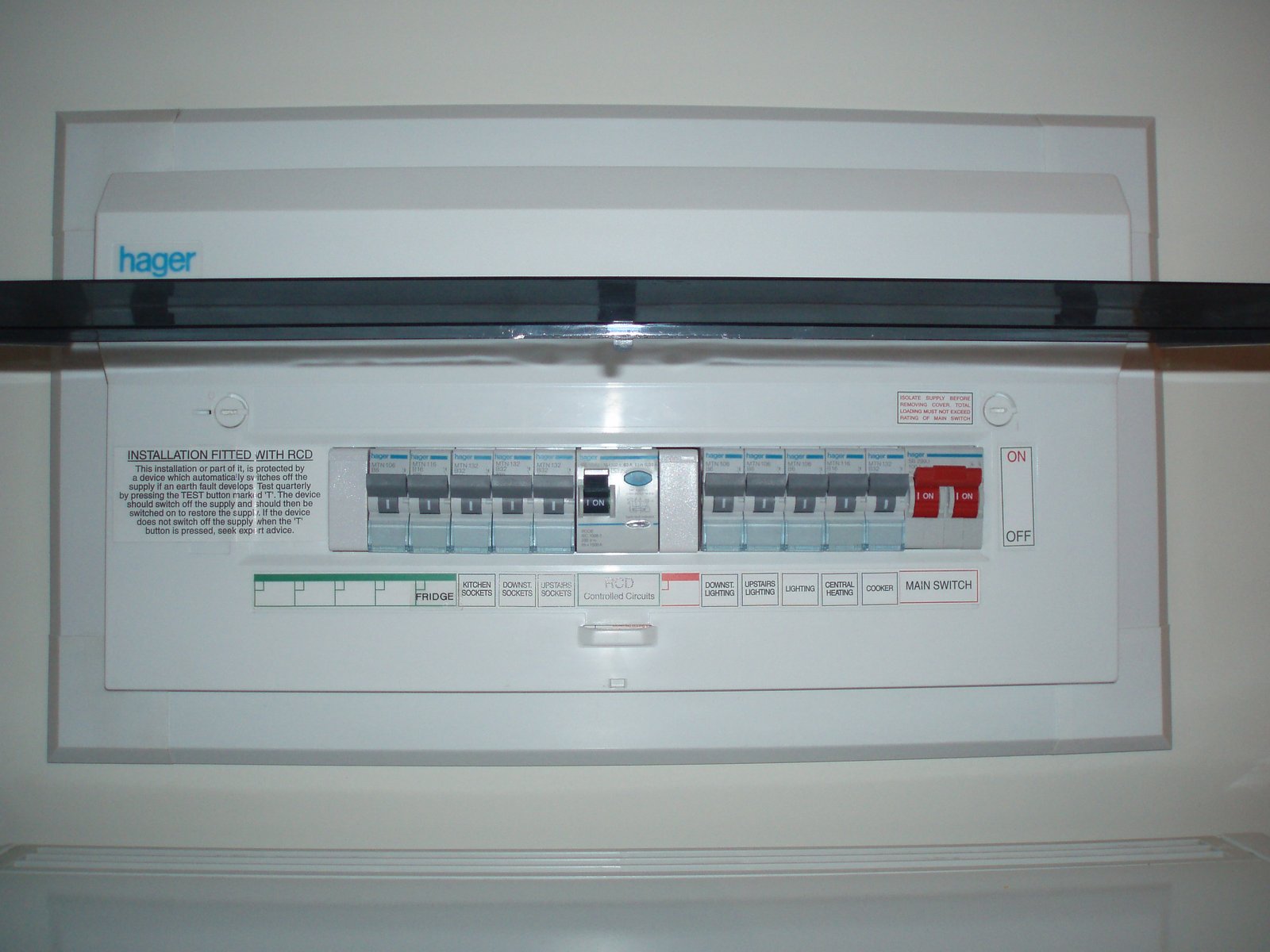
In 2026, typical UK market rates for Consumer Unit Replacement Cost UK 2026 range within £420 - £560 to £650 - £950, influenced by geographic location (London +25%, North -10%), property age, and statutory certification under British Standards BS 7671 and Part P / Gas Safe compliance.
- • Average 2026 UK consumer unit upgrade cost: £500 - £750 fully certified.
- • Metal non-combustible enclosures are mandatory under BS 7671 Amendment 3.
- • Modern boards feature Type A RCBOs on all circuits, preventing total blackout trips.
- • Surge Protection Devices (SPDs) are now standard to protect sensitive electronics, PCs, and EV chargers.
Upgrading your antiquated fuse board to a contemporary 18th Edition compliant consumer unit is the single most vital safety enhancement for any UK domestic property. In 2026, the typical cost to supply, install, and certify a new consumer unit ranges between £450 and £850.
📊 2026 Average Price Matrix by Specification
| Property Type / Project Scope | Estimated Cost (2026) | Expected Duration | Circuits / Complexity |
|---|---|---|---|
| Standard 10-Way Metal Consumer Unit (Dual RCD) | £420 - £560 | 3 - 4 Hours | 6 - 8 Circuits (Small 1-2 Bed Flat) |
| High-Integrity 12-16 Way Board (Full RCBO + SPD) | £550 - £720 | 4 - 5 Hours | 8 - 12 Circuits (3-Bed Semi Detached) |
| Premium Surge Protected Board with AFDD Arc Fault | £750 - £1,150 | 5 - 6 Hours | 12 - 16 Circuits (Modern Smart Home) |
| Separate Garage / Workshop Consumer Unit (Sub-Board) | £280 - £420 | 2 - 3 Hours | 2 - 4 Circuits (Power & Lighting) |
| Main Earthing & Protective Bonding Upgrade (Gas/Water) | £160 - £260 | 2 - 3 Hours | 10mm² Earth Conductor Bonding |
| Emergency Burnt Fuse Board Replacement (Same Day) | £650 - £950 | Immediate Dispatch | Urgent Safe Isolation & 18th Edition Board |
Why Comparing 3 Vetted Quotes Protects You
Independent survey of 2,800+ UK homeowners revealed why single unvetted quotes cost an average of £340 more.
- ✕ Arbitrary Markups: Tradespeople charging 30%–50% above fair market rates due to lack of competitive pressure.
- ✕ Compliance Risk: Unregistered contractors who cannot self-certify under Part P or Gas Safe regulations.
- ✕ Hidden Extras: Vague verbal estimates that balloon with surprise parking, callout, and material surcharges.
- ✓ Average £340 Saving: Competitive local matching forces contractors to offer their best, transparent rate.
- ✓ 100% Pre-Vetted Pros: NICEIC, NAPIT, Gas Safe and TrustMark registered trade specialists with £2M+ liability cover.
- ✓ Written Itemized Quotes: Fixed itemized breakdowns for labour and materials with zero sales pressure.
Compare 3 Free Verified Quotes in Your Area
Enter your postcode to receive transparent, fixed-price estimates from vetted, insured tradespeople in your postal sector. Zero obligation.
Quote Request Received!
Your reference is TC-92812. Up to 3 certified local contractors covering your postcode will review your requirement.
Why Traditional Plastic Fuse Boards Must Be Replaced
What is Included in a Professional Installation Quote?
Hidden Costs & Critical Extras When Replacing a UK Consumer Unit
While an electrical contractor may quote a baseline headline price of £450 for a consumer unit swap, independent UK surveys reveal that 42% of homeowners encounter supplementary charges due to underlying pre-existing safety deficiencies in their property. Key extras to budget for include:
- Main Earth Bonding Deficiencies (£150 – £260): Current BS 7671 (18th Edition Amendment 3) regulations strictly prohibit an electrician from commissioning a new consumer unit if main incoming gas and water services lack 10mm² protective bonding to the MET (Main Earthing Terminal).
- Meter Tails Upgrade (£120 – £190): Older properties frequently feature 16mm² meter tails. If your main service fuse is 80A or 100A, your technician must upgrade these tails to heavy-duty 25mm² double-insulated tails.
- Isolator Switch Absence (£90 – £150): If your incoming DNO (Distribution Network Operator) cutout lacks a double-pole isolator between the electric meter and the fuse box, pulling the main service fuse requires DNO permission or a certified seal-breaking protocol.
- Nuisance Tripping & Neutral Fault Remediation (£100 – £250): Old rewirable fuse wire tolerated minor insulation degradation. Sensitive modern Type A 30mA RCBOs immediately trip if old neutral wires are cross-connected or insulation resistance drops below 1.0 MΩ, necessitating fault-finding labour.
The 2026 Homeowner Hiring & Building Control Checklist
Under English & Welsh statutory law (Building Regulations Approved Document Part P), replacing a consumer unit is legally notifiable. To ensure your home insurance remains valid and property conveyancing is smooth when selling, verify these 4 items:
- Competent Person Registration: Confirm the contractor is registered with NICEIC, NAPIT, or ELECSA before work begins. Registered contractors can self-certify without paying local council building control fees (£250–£350).
- Electrical Installation Certificate (EIC): Upon completion, your electrician must provide a comprehensive multi-page EIC detailing full test results (R1+R2 continuity, insulation resistance, prospective fault current PFC, and RCD millisecond trip times).
- Building Regulations Compliance Certificate (BRCC): Within 30 days of completion, you must receive an official certificate directly from the scheme operator (NICEIC/NAPIT) confirming local authority notification.
- Written Guarantee & Surge Protection (SPD): Ensure the quote explicitly includes Type 2 Surge Protection to protect expensive smart TVs, EV chargers, and heat pumps from mains overvoltage.
Compare Quotes from Vetted Local Tradespeople
Don't risk rogue pricing. Receive up to 3 competitive quotes from certified, insured contractors in your UK postal sector. Free, instant, and with zero obligation.
🏛️ Statutory Regulations & Authoritative UK Sources
The statutory figures and safety standards cited in this guide adhere strictly to the following British legislative frameworks:
- ↗ GOV.UK: Electrical Safety Standards in the Private Rented Sector
- ↗ Joint Industry Board (JIB): 2026 National Operative Wage Agreement
- ↗ NICEIC: Competent Person Scheme & Certification Standards
- ↗ Gas Safe Register: Building Regulations 30-Day Notification
- ↗ Health & Safety Executive (HSE): Work at Height Regulations 2005
- ↗ Ofgem: Boiler Upgrade Scheme (£7,500 Heat Pump Grant)
❓ Frequently Asked Questions (FAQ)
How long does it take to change a fuse box?
A typical domestic consumer unit change takes between 4 and 6 hours. During this period, power to the entire property must be switched off.
Can an electrician refuse to fit a new fuse box?
Yes. Prior to swapping the board, an electrician tests existing wiring. If there are severe pre-existing faults (such as degraded insulation, lack of earthing, or dangerous crossed neutrals), they cannot legally energise the new board without repairing those hazards first.
Why did my consumer unit replacement uncover tripping problems with old wiring?
Old fuse wire only melted under massive dead short-circuits. Modern 18th Edition RCBOs detect minuscule earth leakage (down to 30mA within 40 milliseconds). If an older property has minor neutral-earth faults, damp outdoor sockets, or shared neutrals, the new board will trip as designed to protect human life. Expect around £80–£160 for fault diagnostic tracing if your wiring is over 35 years old.
Are plastic consumer units banned in the UK in 2026?
Under Regulation 421.1.201 of BS 7671, consumer units installed in domestic premises must have their enclosure manufactured from non-combustible material (almost universally metal/steel) or be housed in a fireproof enclosure. Existing plastic boards are not illegal, but any new unit installed in 2026 must be metal.
How long will the power be off during a fuse box replacement?
Power is typically isolated for 3 to 5 hours. Experienced electrical contractors keep emergency battery lighting on site and will prioritize re-energizing refrigeration circuits if the job spans past lunchtime.